
Finding the right skincare can feel overwhelming when you want both natural ingredients and visible results. Many in the UK are searching for beauty solutions that truly support healthy skin while celebrating authentic African traditions. With genuine African black soap, you unlock a blend of therapeutic cleansing and gentle care backed by indigenous knowledge. This guide reveals how to match your skin’s unique needs with soap varieties, ensuring purity, authenticity, and sustainable sourcing along every step.
Table of Contents
- Step 1: Assess Your Unique Skincare Needs First
- Step 2: Identify Authentic African Black Soap Sources
- Step 3: Examine Ingredients For Quality And Purity
- Step 4: Test The Soap For Suitability And Effectiveness
- Step 5: Verify Authenticity And Review Sustainability Claims
Quick Summary
| Key Message | Explanation |
|---|---|
| 1. Assess your skin type | Understand your unique skin characteristics to select the right African black soap for your needs. |
| 2. Source authentic soap | Seek out reputable suppliers who use traditional methods for producing genuine African black soap. |
| 3. Check ingredient quality | Ensure the soap contains natural ingredients without harmful additives to maintain skin health. |
| 4. Test for skin compatibility | Perform a patch test before use to assess how your skin reacts to the soap. |
| 5. Verify sustainability claims | Investigate ethical practices and community involvement of the soap producers to support responsible sourcing. |
Step 1: Assess your unique skincare needs first
Identifying your specific skin requirements represents the crucial first step in selecting the perfect African black soap for your individual needs. Your skin is as unique as your fingerprint, and understanding its particular characteristics will guide you towards the most effective natural skincare solution.
Begin by conducting a thorough self assessment of your skin type and concerns. Detailed skin condition analysis reveals that African black soap offers remarkable versatility for managing various skin disorders. Examine whether you have oily, dry, combination, sensitive, or acne prone skin. Pay attention to specific issues like uneven texture, hyperpigmentation, inflammation, or recurring breakouts. These observations will help you select a soap formulation that addresses your precise skincare challenges.
Consider factors such as climate, lifestyle, and existing skincare routine when evaluating your skin needs. Sensitive skin types might require gentler soap variations, while those with persistent acne could benefit from more targeted antimicrobial formulations. Understanding these nuanced requirements ensures you choose an African black soap that harmonises with your skin’s natural balance.
Expert Tip: Keep a detailed skin journal for two weeks before selecting your African black soap to track changes, reactions, and specific skin concerns with precision.
Here is a summary comparing skin types and suggested African black soap characteristics:
| Skin Type | Possible Concerns | Recommended Soap Features |
|---|---|---|
| Oily | Excess oil, breakouts | Lightweight, antibacterial ingredients |
| Dry | Flakiness, tightness | Added shea butter, moisturising oils |
| Combination | Oily T-zone, dry cheeks | Balanced, gentle cleansing |
| Sensitive | Redness, irritation | Minimal, unprocessed additives |
| Acne-prone | Blemishes, blocked pores | Strong antimicrobial properties |
Step 2: Identify authentic African black soap sources
Discovering genuine African black soap requires a strategic approach to sourcing that goes beyond simple product selection. Your journey towards authentic soap involves understanding its traditional production methods and recognising markers of true quality.
Traditional indigenous production techniques reveal that authentic African black soap originates from specific indigenous processes involving natural ingredients like palm kernel oil and burnt cocoa pod ash. Seek out suppliers who can provide transparent information about their soap’s origin, production methods, and ingredient sourcing. Authentic African black soap typically comes from West African regions, particularly Nigeria, Ghana, and Benin, where traditional soap making techniques have been preserved for generations.
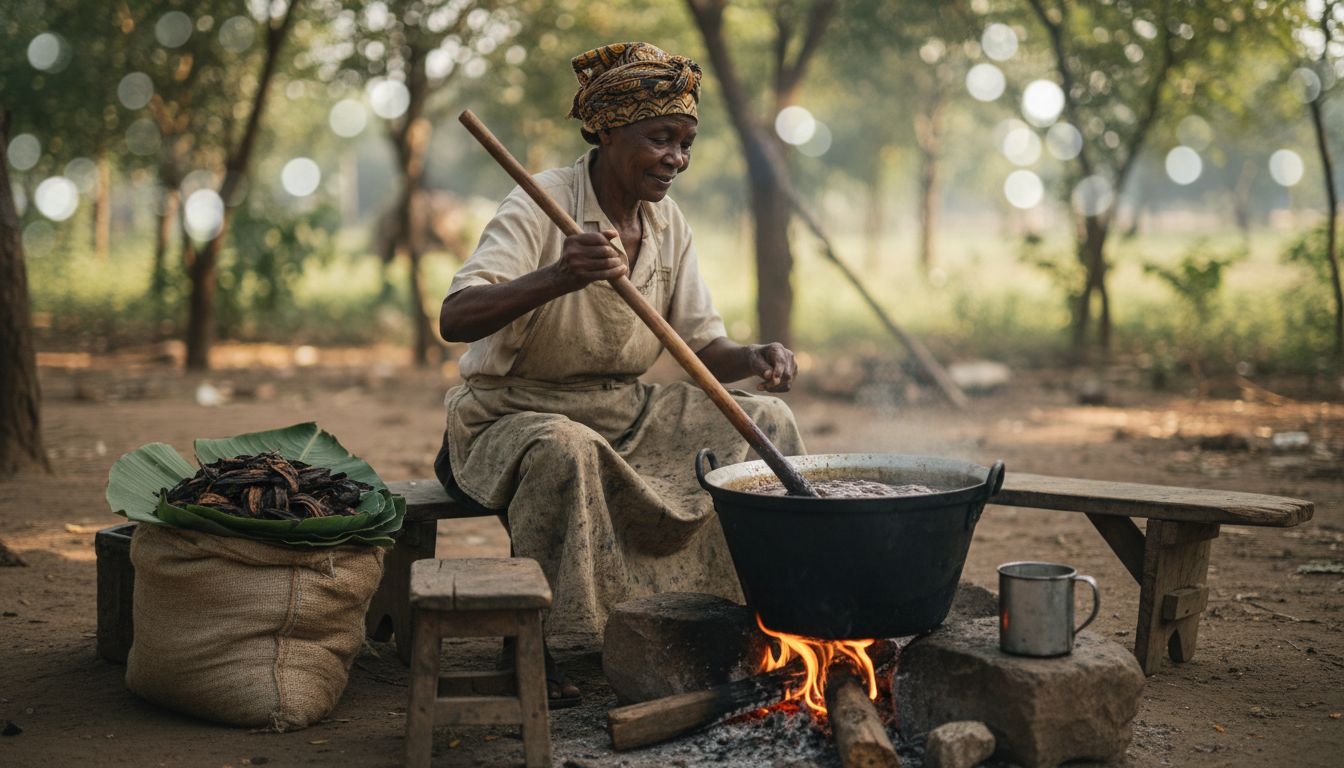
Careful research is crucial when identifying reputable sources. Look for artisanal producers who maintain traditional manufacturing processes, avoiding mass produced alternatives that may compromise the soap’s natural properties. Check for detailed ingredient lists, verify the soap’s geographical origin, and prioritise vendors who can demonstrate a direct connection to indigenous soap making communities.
Expert Tip: Request provenance documentation or contact details of the soap makers to validate the authenticity of your African black soap purchase.
Step 3: Examine ingredients for quality and purity
Understanding the composition of African black soap is crucial for ensuring you select a high-quality product that delivers genuine skincare benefits. Your careful ingredient investigation will protect your skin and guarantee an authentic experience.
Comprehensive ingredient analysis reveals that true African black soap should contain natural ingredients like palm kernel oil, cocoa pod ash, plantain skin ash, and natural botanical extracts. Look for transparent ingredient lists that showcase minimal processing and maximum natural content. Pay special attention to potential chemical additives or synthetic preservatives that might compromise the soap’s inherent therapeutic properties.
Carefully evaluate the ingredient balance and purity by checking for specific traditional components such as shea butter, coconut oil, and natural plant based alkaline substances. Authentic African black soap typically demonstrates a delicate balance of organic ingredients without artificial colour enhancers or synthetic fragrances. Prioritise soaps that maintain close connections to traditional production methods and showcase a commitment to preserving indigenous manufacturing techniques.
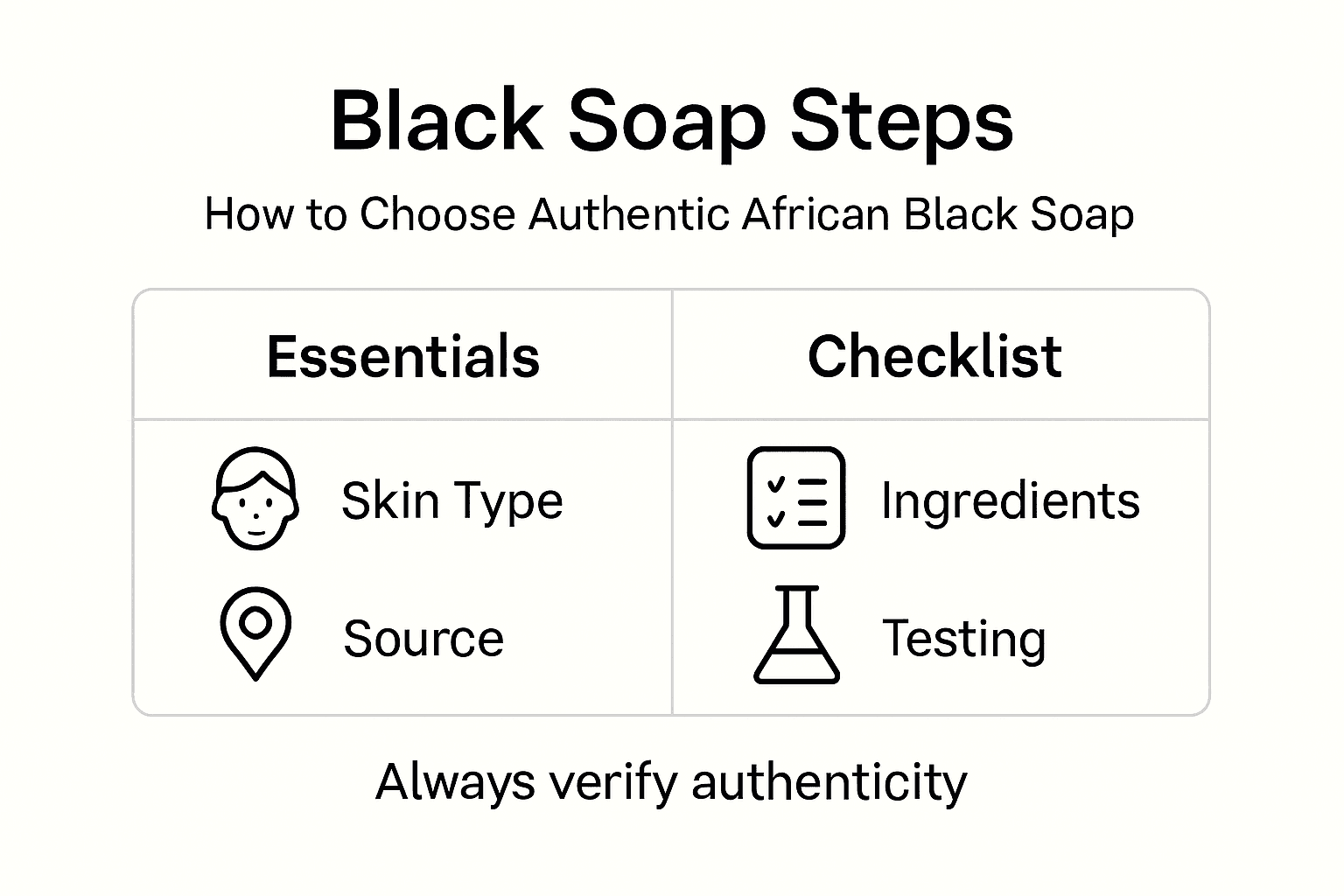
Expert Tip: Request a detailed ingredient breakdown from your supplier and cross reference it with traditional African black soap composition standards.
Step 4: Test the soap for suitability and effectiveness
Verifying the compatibility of African black soap with your unique skin requires a systematic and thoughtful approach to product testing. This crucial step will help you determine whether the soap delivers the therapeutic benefits you seek while maintaining your skin’s natural balance.
Rigorous soap performance testing reveals that individual skin responses can vary significantly. Begin by performing a small patch test on a discrete area of skin to assess potential reactions. Apply a minimal amount of soap and observe your skin’s response over 24 to 48 hours. Look for signs of irritation, redness, dryness, or unexpected changes in skin texture. Pay attention to how your skin feels immediately after use and during the subsequent days.
Consider conducting a comprehensive evaluation that goes beyond initial reactions. Monitor your skin’s hydration levels, observe any changes in existing skin conditions, and note the soap’s overall impact on your skin’s appearance and feel. Some African black soaps might cause slight initial dryness as your skin adjusts to the natural ingredients, so patience and careful observation are key. Assess the soap’s cleansing effectiveness, its ability to address specific skin concerns, and whether it maintains your skin’s natural protective barrier.
Expert Tip: Keep a detailed skin journal documenting your soap usage, recording observations about texture, moisture levels, and any noticeable improvements or challenges.
Step 5: Verify authenticity and review sustainability claims
Authenticity and sustainability are critical considerations when selecting African black soap, ensuring that your purchase supports traditional production methods and ethical practices. Understanding how to discern genuine products helps you make responsible consumer choices that respect cultural heritage and community development.
Traditional production methods provide essential insights into the soap’s genuine origins. Request detailed documentation about the soap’s production process, focusing on indigenous manufacturing techniques, local ingredient sourcing, and community involvement. Look for producers who can demonstrate direct connections to West African soap making traditions, providing transparent information about their supply chain, ingredient provenance, and production practices.
Evaluate sustainability claims by examining the broader impact of your purchase. Investigate whether the soap supports local artisan communities, utilises fair trade principles, and minimises environmental impact. Authentic African black soap should not only deliver skincare benefits but also contribute positively to the economic and social wellbeing of the communities responsible for its traditional production. Seek out producers who prioritise ecological sustainability, support local agricultural practices, and maintain traditional knowledge transfer.
Below is a table highlighting criteria for verifying the authenticity and sustainability of African black soap:
| Verification Aspect | What to Look For | Why It Matters |
|---|---|---|
| Ingredient Origin | Sourced from West Africa | Supports traditional practices |
| Production Method | Handmade, traditional techniques | Preserves efficacy, cultural value |
| Community Connection | Direct ties to artisan producers | Ensures ethical production |
| Sustainability Claims | Fair trade, eco-friendly sourcing | Positively impacts local environment |
Expert Tip: Contact the soap producers directly and request specific details about their community engagement and environmental sustainability practices.
Discover Authentic African Black Soap with Confidence
Choosing the right African black soap can feel overwhelming when faced with concerns about skin type compatibility, ingredient purity, and authentic sourcing. This detailed guide highlights the importance of understanding your unique skin needs, verifying traditional production methods, and ensuring sustainability. At Buzee Food, we recognise these challenges and are committed to offering premium, authentic African black soap that respects indigenous craftsmanship and supports community wellbeing.
Experience the true benefits of African black soap through carefully curated products that include natural ingredients like palm kernel oil and shea butter. Our selection reflects genuine West African traditions and prioritises quality and ethical sourcing to match your skincare goals perfectly.
Ready to transform your skincare routine with authentic natural products?

Explore our range today and take the first step towards healthier skin by shopping at Buzee Food. Dive deeper into authentic African beauty traditions with our collection and enjoy products that align with your desire for purity and sustainability. Visit Buzee Food to make your informed choice, supporting artisans and embracing natural self-care now.
Frequently Asked Questions
How can I assess my unique skincare needs before choosing African black soap?
To assess your skincare needs, identify your skin type and specific concerns such as dryness, oiliness, or sensitivity. Keep a skin journal for two weeks to track changes and reactions to different products, helping you select the most suitable African black soap formulation for your unique skin.
What ingredients should I look for in authentic African black soap?
Authentic African black soap should include natural components like palm kernel oil, cocoa pod ash, and plantain skin ash. Always check for transparent ingredient lists that highlight minimal processing and natural content to ensure you are choosing a high-quality product.
How can I perform a patch test to check if African black soap suits my skin?
To perform a patch test, apply a small amount of African black soap to a discreet area of skin and monitor for any reactions over 24 to 48 hours. Look for signs such as redness, irritation, or dryness, and use this information to decide if the soap is suitable for your overall skincare routine.
What should I consider when verifying the authenticity of African black soap?
When verifying authenticity, look for detailed information about the soap’s origin and production methods, focusing on traditional techniques and ingredient sourcing. Contact producers directly for information on their community connections and practices to ensure you are purchasing a legitimate product.
How can I evaluate the sustainability claims of African black soap producers?
To evaluate sustainability claims, investigate whether the soap’s production supports local communities and adheres to fair trade principles. Review the producer’s impact on the environment and local agricultural practices to ensure your purchase contributes positively to social and ecological wellbeing.
What are the key differences between various formulations of African black soap?
Different formulations of African black soap cater to various skin types and concerns, such as oily, dry, or sensitive skin. For example, soaps for oily skin may contain antibacterial ingredients, while those for dry skin may include added moisturising oils like shea butter, making it essential to select a formulation that aligns with your specific needs.