
Finding truly personalised skincare can feel like searching for a recipe that honours both tradition and health. For African and Caribbean food lovers in the UK and beyond, understanding skin is more than surface deep—it connects to heritage, well-being, and pride. Skin type is a unique genetic characteristic that shapes how your skin responds to sunlight, environment, and care routines. This guide helps you discover why knowing your skin type is key to choosing the best protection, treatments, and nurturing practices for lasting skin health.
Table of Contents
- What Is Skin Type And Why It Matters
- Key Skin Types: Unique Variations Explained
- African And Caribbean Skin: Distinctive Characteristics
- Tailoring Skincare For Healthier Results
- Risks Of Generic Products And Common Pitfalls
Key Takeaways
| Point | Details |
|---|---|
| Understanding Skin Type is Essential | Knowledge of your skin type, as categorised by the Fitzpatrick scale, influences skincare choices and sun protection strategies for better health outcomes. |
| Tailored Skincare is Vital | Individualised skincare routines that consider specific skin characteristics can prevent issues such as hyperpigmentation and allergic reactions. |
| Diversity in Skin Types Matters | Recognising the unique characteristics of African and Caribbean skin types allows for targeted treatment and care approaches, ensuring overall skin health. |
| Be Cautious with Generic Products | Many generic skincare products contain harmful chemicals that may lead to adverse reactions in melanin-rich skin, emphasizing the need for careful ingredient selection. |
What Is Skin Type And Why It Matters
Understanding your skin type is far more than a cosmetic curiosity – it’s a fundamental aspect of personal health management. Skin types represent unique genetic characteristics that determine how your skin responds to environmental factors, particularly ultraviolet radiation. Skin cancer experts classify skin types using the Fitzpatrick scale, which ranges from very light to very dark complexions, helping predict potential health risks and necessary protection strategies.
The Fitzpatrick skin typing system provides a scientific framework for understanding individual skin characteristics. Dermatological research reveals that skin type is a constitutional trait present from birth, influencing how different people metabolise melanin, produce pigment, and react to sun exposure. These variations aren’t just aesthetic – they directly impact susceptibility to sun damage, skin diseases, and long-term health outcomes.
For African and Caribbean individuals, understanding skin type becomes particularly crucial. Darker skin tones have natural melanin protection, but this doesn’t make them immune to sun damage or skin health challenges. Each skin type – whether very fair or deeply pigmented – requires specific care approaches. Knowing your precise skin type helps you:
- Select appropriate skincare products
- Understand your sun protection needs
- Anticipate potential skin health risks
- Choose targeted skincare treatments
Pro Tip: Consult a dermatologist who specialises in ethnic skin types for a professional assessment of your specific skin characteristics and personalised care recommendations.
Key Skin Types: Unique Variations Explained
Skin type variations are far more complex than simple colour categorisations. Human skin colour reflects intricate genetic interactions that determine pigmentation, creating a rich spectrum of characteristics unique to different populations and individuals. These variations aren’t just aesthetic – they represent sophisticated biological adaptations developed through generations of environmental interactions.
Fitzpatrick Skin Type Classification provides the most comprehensive scientific framework for understanding these nuanced differences. The scale ranges from Type I (extremely fair skin that always burns) to Type VI (deeply pigmented skin that never burns). For African and Caribbean individuals, skin types typically fall within Types IV to VI, characterised by higher melanin production that offers natural protection against ultraviolet radiation. Genetic research demonstrates that these variations are polygenic, meaning multiple genes contribute to skin pigmentation.
Here’s a concise comparison of Fitzpatrick skin types and their typical characteristics:
| Skin Type | Typical Complexion | Sun Response | Example Ancestry |
|---|---|---|---|
| Type I | Very fair, pale white | Always burns, never tans | Northern European |
| Type II | Fair, light skin | Burns easily, tans minimally | Central European |
| Type III | Medium white to olive | Sometimes mild burn, gradual tan | Mediterranean |
| Type IV | Olive to light brown | Rarely burns, tans well | South Asian, some Caribbean |
| Type V | Brown, dark brown | Very rarely burns, tans easily | African, Afro-Caribbean |
| Type VI | Deeply pigmented dark brown | Never burns, deeply pigmented | African, Australian Aboriginal |
Understanding your specific skin type involves recognising key characteristics:
- Melanin concentration
- Reaction to sun exposure
- Tendency to tan or burn
- Natural protective mechanisms
- Susceptibility to hyperpigmentation
Each skin type presents unique strengths and potential vulnerabilities. While darker skin types have enhanced UV protection, they can still experience sun damage, hyperpigmentation, and specific dermatological challenges that require targeted skincare approaches.
Pro Tip: Request a professional skin type assessment from a dermatologist specialising in ethnic skin to develop a personalised skincare strategy tailored to your specific genetic profile.
African And Caribbean Skin: Distinctive Characteristics
Melanin-rich skin represents a remarkable biological adaptation with profound health implications. Dark skin characteristics reveal complex evolutionary strategies that have protected populations through generations, offering unique protective mechanisms against environmental challenges. These intricate physiological traits go far beyond surface-level appearance, embodying sophisticated genetic responses developed over millennia.

Dermatologic research highlights several distinctive characteristics of African and Caribbean skin types. The elevated melanin content provides natural ultraviolet radiation protection, but simultaneously predisposes individuals to specific dermatological conditions. These include heightened risks of postinflammatory hyperpigmentation, keloid formation, and nuanced responses to skin injuries that differ significantly from lighter skin types.
Key distinctive characteristics of African and Caribbean skin include:
- Higher eumelanin concentration
- Enhanced UV radiation protection
- Greater susceptibility to hyperpigmentation
- Increased collagen density
- More complex inflammatory responses
- Unique healing and scarring patterns
Understanding these characteristics is crucial for developing targeted skincare strategies. While the increased melanin offers substantial protection, it also requires specialised approaches to address potential vulnerabilities such as uneven skin tone, subtle texture variations, and specific inflammatory responses unique to melanin-rich skin types.
Below is a summary of challenges and tailored care for African and Caribbean skin:
| Challenge | Unique Response | Tailored Care Approach |
|---|---|---|
| Hyperpigmentation | More prone after inflammation | Use gentle, non-irritating products |
| Sun Damage | Lower risk but still possible | Use broad-spectrum sunscreen |
| Scarring | Higher risk of keloids | Avoid harsh treatments and trauma |
| Dryness | Susceptible due to low ceramide levels | Apply rich, hydrating moisturisers |
Pro Tip: Consult skincare professionals who specialise in ethnic skin to develop a personalised routine that celebrates and protects your skin’s unique genetic heritage.
Tailoring Skincare For Healthier Results
Skincare for African and Caribbean skin is not a one-size-fits-all approach but a nuanced journey of understanding and protection. Dermatologists recommend personalised skincare strategies that honour the unique characteristics of melanin-rich skin, focusing on addressing specific vulnerabilities while leveraging natural protective mechanisms.
Creating an effective skincare routine requires a thoughtful combination of protective and restorative elements. For African and Caribbean skin types, this means developing a targeted approach that considers:
- Enhanced UV protection
- Hyperpigmentation prevention
- Hydration management
- Gentle exfoliation techniques
- Inflammation control
- Antioxidant support
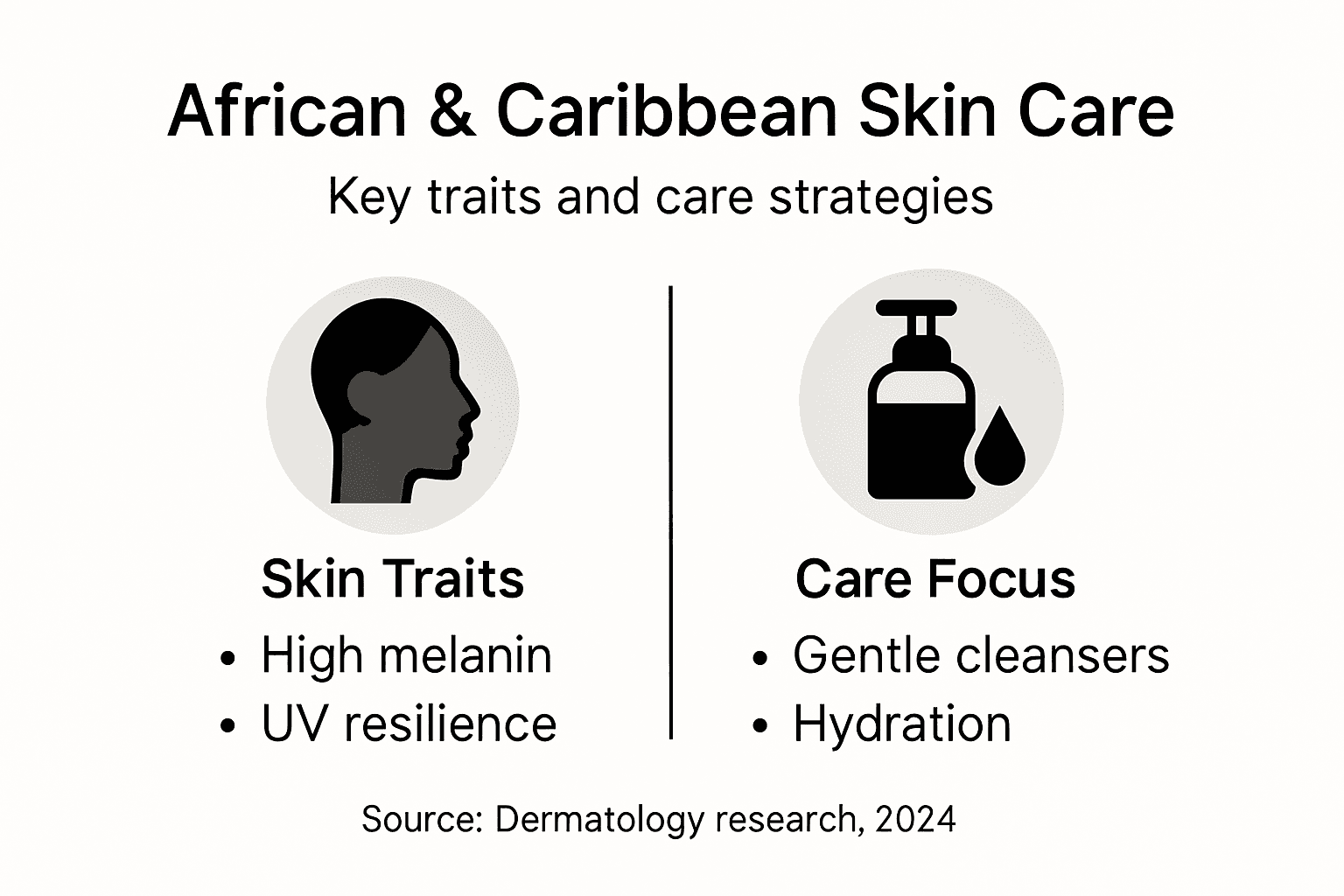
The cornerstone of an effective skincare routine lies in understanding your skin’s unique needs. Melanin-rich skin requires gentle, purposeful care that balances protection with nourishment. This involves selecting products that support the skin’s natural barrier, address potential inflammatory responses, and provide comprehensive protection against environmental stressors.
Pro Tip: Conduct a patch test with new skincare products and introduce them gradually to understand how your unique skin responds to different formulations.
Risks Of Generic Products And Common Pitfalls
The beauty and skincare industry presents numerous hidden dangers for African and Caribbean skin types, with many generic products posing significant health risks. Synthetic cosmetics often contain harmful chemical ingredients that can cause long-term dermatological and systemic health complications, particularly for individuals with melanin-rich skin.
Cosmetic product regulation remains critically inadequate, placing consumers at substantial risk. The most common pitfalls for African and Caribbean skin include:
- Unregulated chemical ingredients
- Potential endocrine disruptors
- Allergens not disclosed on packaging
- Products that ignore unique skin characteristics
- Harsh exfoliants causing hyperpigmentation
- Incorrect pH balance for melanin-rich skin
Melanin-rich skin requires extraordinarily careful product selection. The molecular composition of African and Caribbean skin means that generic, mass-market products can trigger inflammatory responses, disrupt natural skin barriers, and potentially cause long-term damage. Understanding ingredient lists, recognising potential irritants, and prioritising scientifically formulated products becomes paramount for maintaining skin health and preventing adverse reactions.
Pro Tip: Always conduct a thorough patch test on a small skin area and wait 24-48 hours to assess potential allergic reactions before fully integrating a new skincare product.
Embrace Your Unique Skin Needs with Authentic Care
Understanding the unique characteristics of African and Caribbean skin is essential to avoid common skincare pitfalls and maintain your skin’s natural beauty and health. This article highlights critical concerns such as hyperpigmentation, sun protection, and the risks of generic products that do not cater to melanin-rich skin. Your skin deserves specialised care that respects its genetic strengths and vulnerabilities.

Discover authentic solutions that celebrate and support your skin type at Buzee Food. Our carefully selected premium food and beauty products draw from African and Caribbean traditions, crafted to nourish and protect your skin naturally. Explore our range to find products that complement your personalised skincare journey. Act now to take control of your skin health with trusted, quality selections designed just for you.
Visit Buzee Food homepage to start your journey. Learn more about how specialised care matters in everyday routines by exploring why skin types matter. Take the first step for radiant and resilient skin today.
Frequently Asked Questions
What are the different skin types based on the Fitzpatrick scale?
The Fitzpatrick scale classifies skin types from I to VI, ranging from very fair skin that always burns (Type I) to deeply pigmented skin that never burns (Type VI). This classification helps understand how different skin types react to sun exposure and care needs.
Why is it important to know your skin type?
Knowing your skin type is essential for selecting appropriate skincare products, understanding sun protection needs, and anticipating potential skin health risks. It also helps in choosing targeted skincare treatments that best suit your skin’s characteristics.
How can I tailor my skincare routine for melanin-rich skin?
For melanin-rich skin, focus on gentle, hydrating products that enhance UV protection, prevent hyperpigmentation, and support the skin’s natural barrier. This includes selecting moisturisers rich in ceramides and avoiding harsh exfoliants.
What are common skincare pitfalls for African and Caribbean skin types?
Common pitfalls include using products with unregulated chemical ingredients, allergens, and harsh exfoliants that can trigger hyperpigmentation. It’s important to read ingredient labels carefully and consider products specifically formulated for your skin type.
Recommended
- Demelan Cream Glycolic Acid Kojic Acid Hyper Pigmentation 20 gm – Buzee Food
- Skinshine Cream 15g Hydroquinone, Mometasone Furoate & Tretynoin)– For Acne & Inflammation Control – Buzee Food
- Caro White Intensive Care Lightening Beauty Cream 30ml – Buzee Food
- K Brothers U S A Papaya Soap For Black Spot Mask On Face – Buzee Food